Moving to New Zealand: visas and your first steps

Every year thousands of people move to New Zealand for the outdoor life, the work and the pace. Getting here means choosing the right visa, and then setting up the basics: tax, a bank account, somewhere to live and a doctor. This guide gives the main routes in plain words and points you to the official sources, because immigration rules change often.
Quick facts
- Immigration New Zealand (INZ) runs all visas: immigration.govt.nz.
- Most people move on a work visa first, then apply for residence later.
- Australian citizens can live and work in New Zealand without applying for a visa in advance.
- Anyone who gives immigration advice for a fee in New Zealand must be licensed, or be a lawyer. Check before you pay.
- Rules, fees and pay thresholds change several times a year. Check the INZ site before you apply.
The main visa routes
Working holiday
If you are young (usually 18 to 30, up to 35 for some countries) and your country has a Working Holiday Scheme with New Zealand, you can come for up to a year (longer for some countries) to travel and work. It is the easiest way to try New Zealand out. Read our working holiday guide.
Accredited Employer Work Visa (AEWV)
The main work visa. You need a job offer from an employer that INZ has accredited, and the job must meet pay and other rules. The employer applies for accreditation and a "job check"; you then apply for the visa. The Accredited Employer Work Visa can be a step towards residence.
Green List roles
Some occupations that New Zealand is short of (for example in health, engineering and trades) are on the Green List. These can lead to residence directly, or after two years of work, depending on the role.
Skilled Migrant Category (residence)
The Skilled Migrant Category is the main route to residence for skilled workers. It uses a points system based on qualifications, pay or occupational registration, and time working in New Zealand. The rules were changed again in 2026, so read the current version on the INZ site.
Partner of a New Zealander
If your partner is a New Zealand citizen or resident, you can apply for a work or residence visa based on your relationship. You'll need to show the relationship is genuine and stable, usually by having lived together.
Student visa
Study at a New Zealand university, polytechnic or school. Students can work part-time during study, and some qualifications lead to a post-study work visa. See also studyinnewzealand.govt.nz.
Parents
Parents of New Zealand citizens and residents can apply for the Parent Boost Visitor Visa (long, multiple-entry visits) or, if selected, for parent residence. Both have sponsorship and income rules, which were updated in 2026.
Investors
The Active Investor Plus visa gives residence to people who invest a large sum in New Zealand. We covered the 2025 changes in Visa Changes Set to Revitalize Property Market.
Australians
Under the Trans-Tasman Travel Arrangement, Australian citizens get a resident visa when they arrive, and can live and work here. Australian permanent residents with a current resident return visa can do the same.
Your first weeks: what to set up
- An IRD number. Your tax number from Inland Revenue. You need it to be paid at the correct tax rate. Apply online at ird.govt.nz.
- A bank account. Some banks let you open one before you arrive. You'll need your passport and visa, and proof of address.
- A phone number. Pick up a SIM or eSIM at the airport or any supermarket.
- Somewhere to live. Most rentals are listed on Trade Me Property and agency websites. Bonds are usually up to four weeks' rent and are lodged with Tenancy Services. Read up on tenancy rules at tenancy.govt.nz.
- A GP (family doctor). Enrol with a local practice. Whether you get publicly funded health care depends on your visa: residents, and work visa holders on visas of two years or more, are usually eligible.
- KiwiSaver. New Zealand's retirement savings scheme. New employees are usually enrolled automatically; you can opt out in your first weeks.
- A driver licence. You can drive on your overseas licence for a limited time, then you need a New Zealand licence. See driving in New Zealand.
Things that surprise new arrivals
- Houses can be cold. Many older homes have little insulation or heating. Ask about heating, insulation and dampness before you sign a lease.
- Distances and time. Cities are small and spread out, and public transport outside Auckland and Wellington is limited. Most people need a car.
- ACC. If you are injured in an accident, the Accident Compensation Corporation helps with treatment costs, whoever was at fault. In return, you generally can't sue for personal injury.
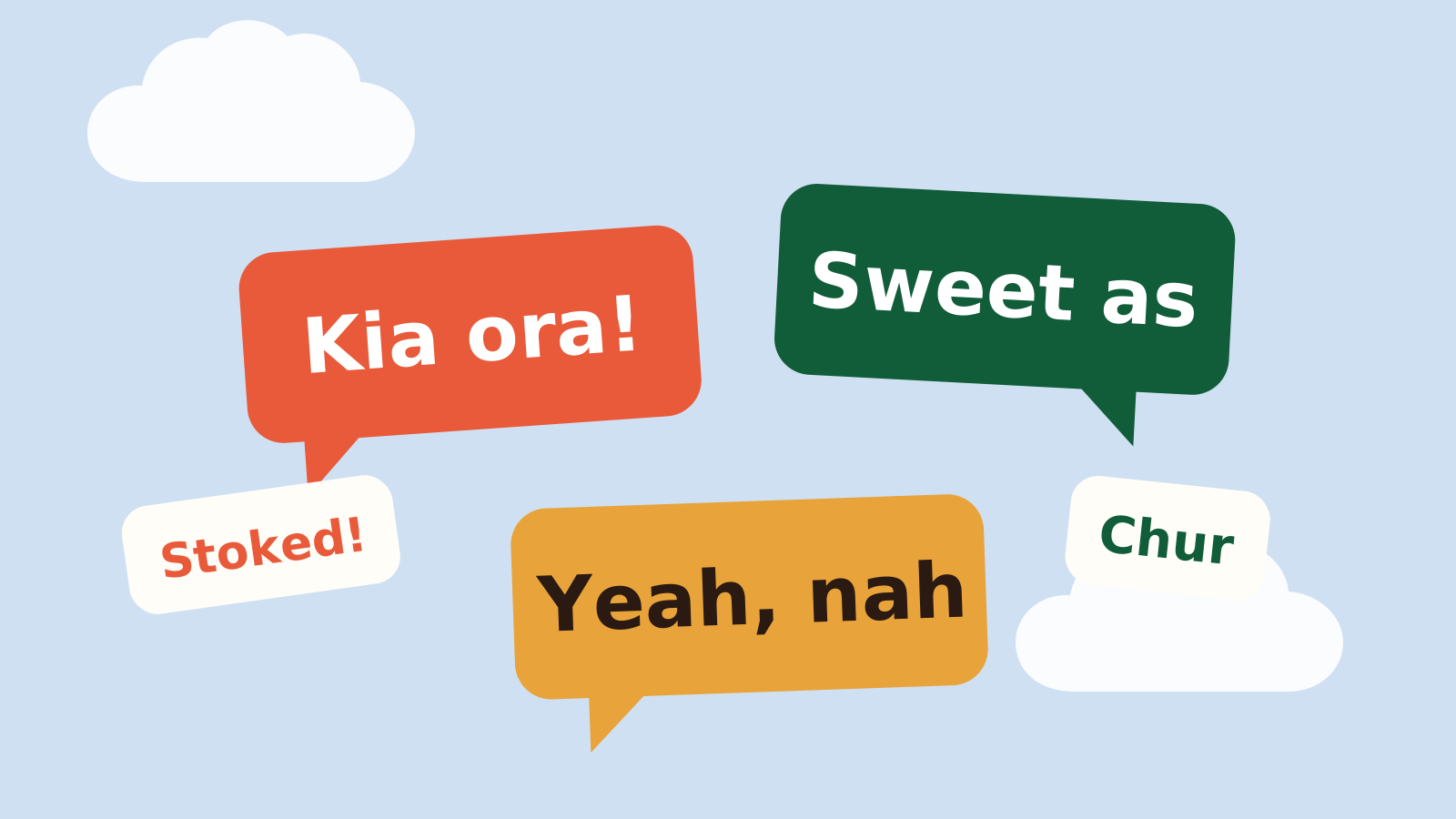
- Te reo Māori. Māori words are part of everyday English here. Our glossary and Kiwi slang guide will help.
Find out more
For the bigger picture, read New Visa Rules Boost Skilled Migration to NZ, New Zealand's Brain Drain and Things to Do When Moving and Traveling.
This is general information, not immigration advice. Visa names and rules were checked in October 2026; always confirm on immigration.govt.nz or with a licensed immigration adviser.