Driving in New Zealand: rules and tips for visitors
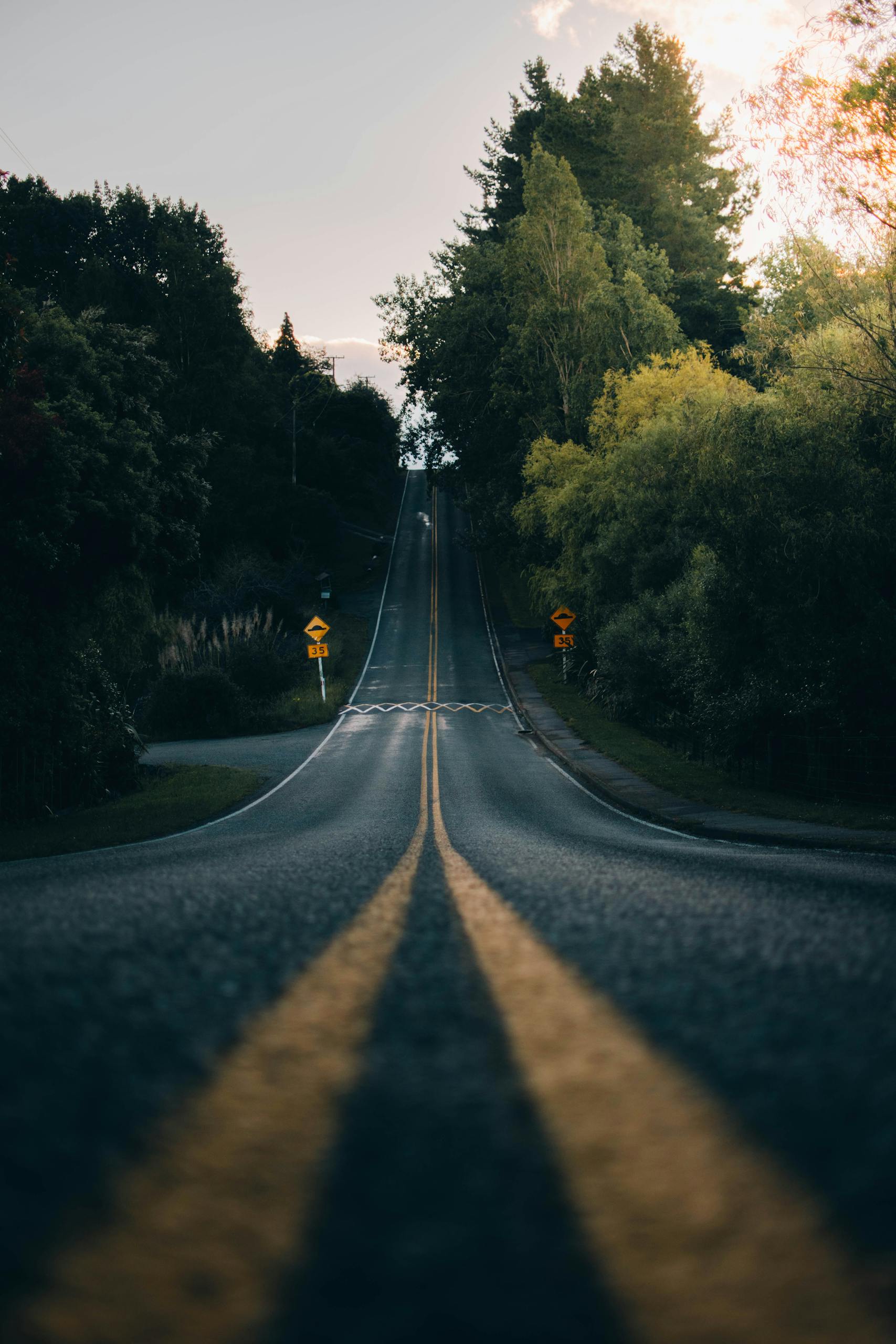
A road trip is the best way to see New Zealand. The roads are quiet by world standards and the views are some of the best anywhere. They are also narrow, winding and often a long way from help. These are the rules and habits that keep visitors safe, with links to the official sources.
Quick facts
- Drive on the left. The driver sits on the right.
- The open-road limit is usually 100 km/h. In towns it is usually 50 km/h. Some roads are lower, and a few expressways are 110 km/h.
- You can drive on a valid overseas licence for a limited time after you arrive. If it isn't in English, carry an approved translation or an International Driving Permit.
- Everyone must wear a seatbelt. Children need a child seat until they turn 7.
- Do not hold your phone while driving. It is illegal.
- Drivers under 20 must not drink any alcohol before driving.
- Call 111 in an emergency. Call *555 to report dangerous driving or a non-urgent traffic problem.
Your licence
Visitors can drive in New Zealand on a current overseas licence for a limited time after each arrival. The limit for car licences has been extended temporarily, so check the current period on the NZ Transport Agency's site before you travel: nzta.govt.nz.
If your licence is not in English, you must carry either an approved translation or an International Driving Permit, together with your licence. Rental companies check this at the counter.
If you are moving here, you will need to convert to a New Zealand licence once the overseas licence period runs out.
Keep left, especially when you're tired
Most visitors manage keeping left on a busy road. The risky moments are when there is nothing to remind you: pulling out of a quiet car park, leaving a petrol station, or the first road of the morning. Some rental companies put a "Keep Left" sticker on the dashboard for this reason. A simple habit: the driver stays next to the centre line.
Speed limits and why the map lies
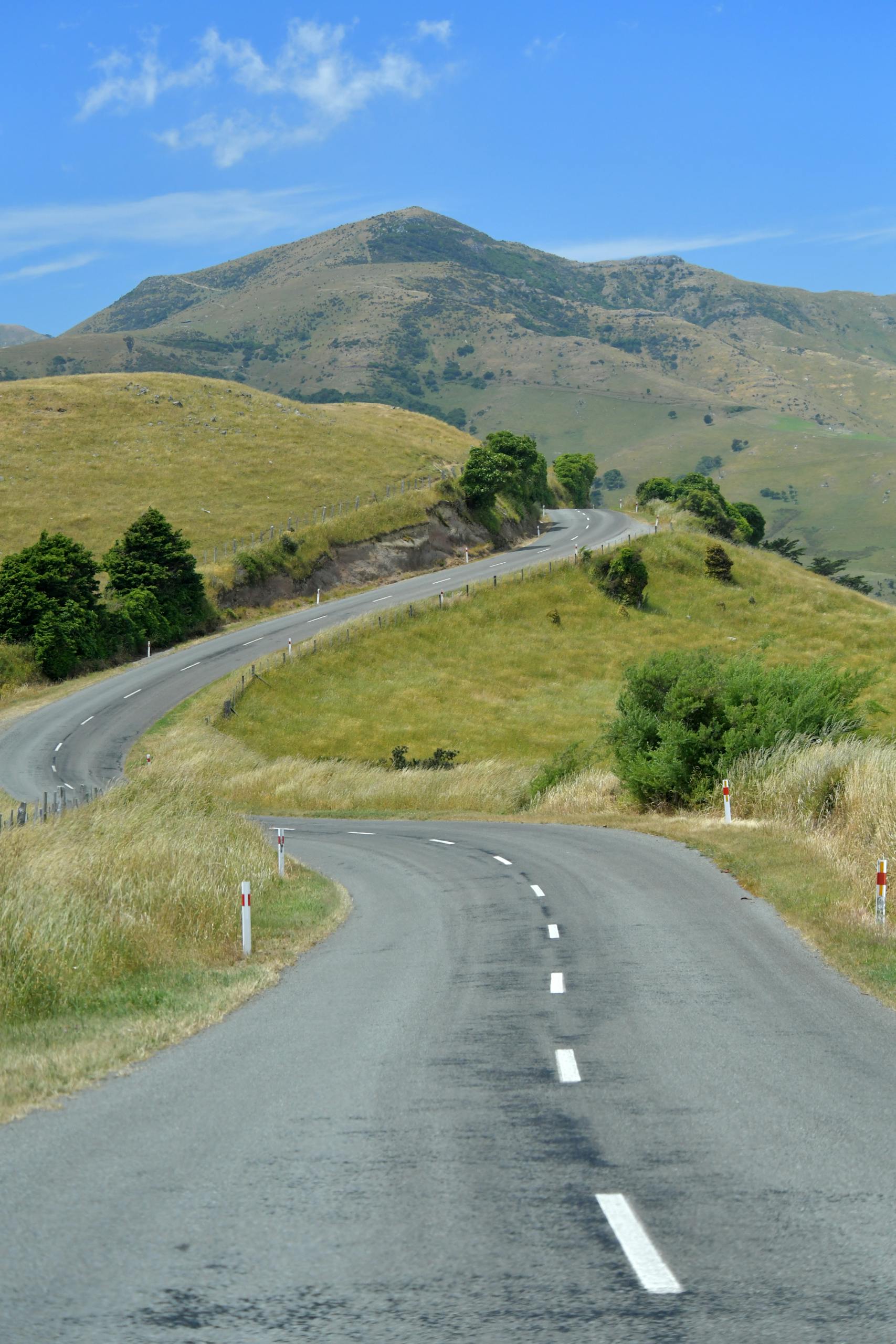
The maximum is usually 100 km/h on the open road, but you will rarely average that. Roads follow the hills and the coast, there are few motorways outside the cities, and logging trucks, campervans and tractors are common. A good rule is to plan on about 60 to 70 km per hour of driving on rural routes, plus stops. Watch for advisory signs on bends (a yellow sign with a lower number): they are there for a reason.
One-lane bridges
New Zealand has hundreds of single-lane bridges. A sign before each one tells you who goes first:
- Big white arrow on your side: you have priority, but still slow down and check.
- Small red arrow on your side: you give way to traffic coming the other way.
Some one-lane bridges carry a railway line too. Look both ways.
Overtaking and passing lanes
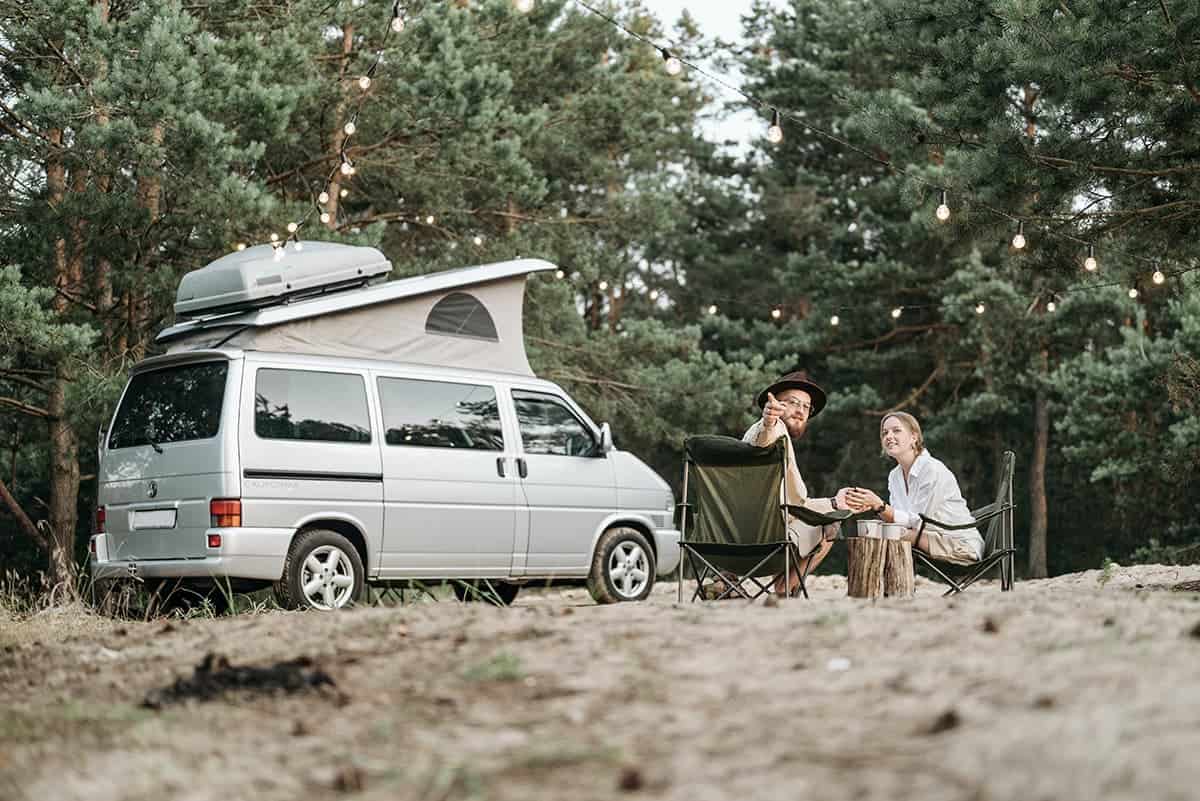
Many highways have passing lanes every few kilometres. If you are driving slowly (in a campervan, or just enjoying the view), pull over in a safe spot and let the queue pass. It is polite, and it stops frustrated drivers taking risks. Never cross a solid yellow line to overtake.
Alcohol
For drivers aged 20 and over, the limit is 250 micrograms of alcohol per litre of breath (or 0.05 blood alcohol). For drivers under 20, it is zero. Police run random breath testing at checkpoints, often in the morning as well as at night.
Weather, gravel and winter roads
- Gravel roads: slow down, stay left and give oncoming cars room. Many rental agreements don't cover some gravel roads, so read yours.
- Alpine passes: in winter (June to September), roads such as the Milford Road, the Crown Range and the passes over the Southern Alps can need snow chains, and can close. Check road conditions before you set out.
- Sun strike and rain: the light is strong and the weather changes fast. Keep sunglasses handy and slow down in rain.
The NZ Transport Agency's journey planner shows road closures and delays: journeys.nzta.govt.nz.
Fuel and charging
Petrol stations sell 91 and 95 (sometimes 98) octane petrol and diesel. In remote areas there may be no petrol for 100 km or more, and some rural stations are pay-at-pump only, so fill up when you can. Electric vehicle chargers are now common along the main highways.
Stopping, breaks and fatigue
Long days behind the wheel after a long-haul flight are a common cause of crashes. Plan a short first day, stop every two hours, and use the many lookouts and rest areas. Small towns along the way are a good excuse: a coffee, a pie and a walk.
Road trip tip: shops that use the Tappl card put stamps and vouchers on one card in your phone's wallet, so your coffee stops can add up to a free one.
Animals on the road
Expect sheep and cattle being moved along rural roads, and slow down for them. Stop and wait if a farmer signals. In some areas you will see signs for penguins, kiwi or kererū crossing.
Frequently asked questions
Is it hard to drive in New Zealand?
Traffic is light outside the big cities, but the roads are narrower and more winding than many visitors expect. Allow more time than the map says and don't plan long drives on your first day.
Do I need a car at all?
Not always. Read our guide Getting Around New Zealand: Car or No Car? to compare buses, trains, ferries and flights.
Can I sleep in my car or campervan anywhere?
No. Read our guide to freedom camping and campsites first.
Checked in October 2026. The official rules are in the NZ Transport Agency's Road Code at nzta.govt.nz/roadcode.