Freedom camping and campsites in New Zealand
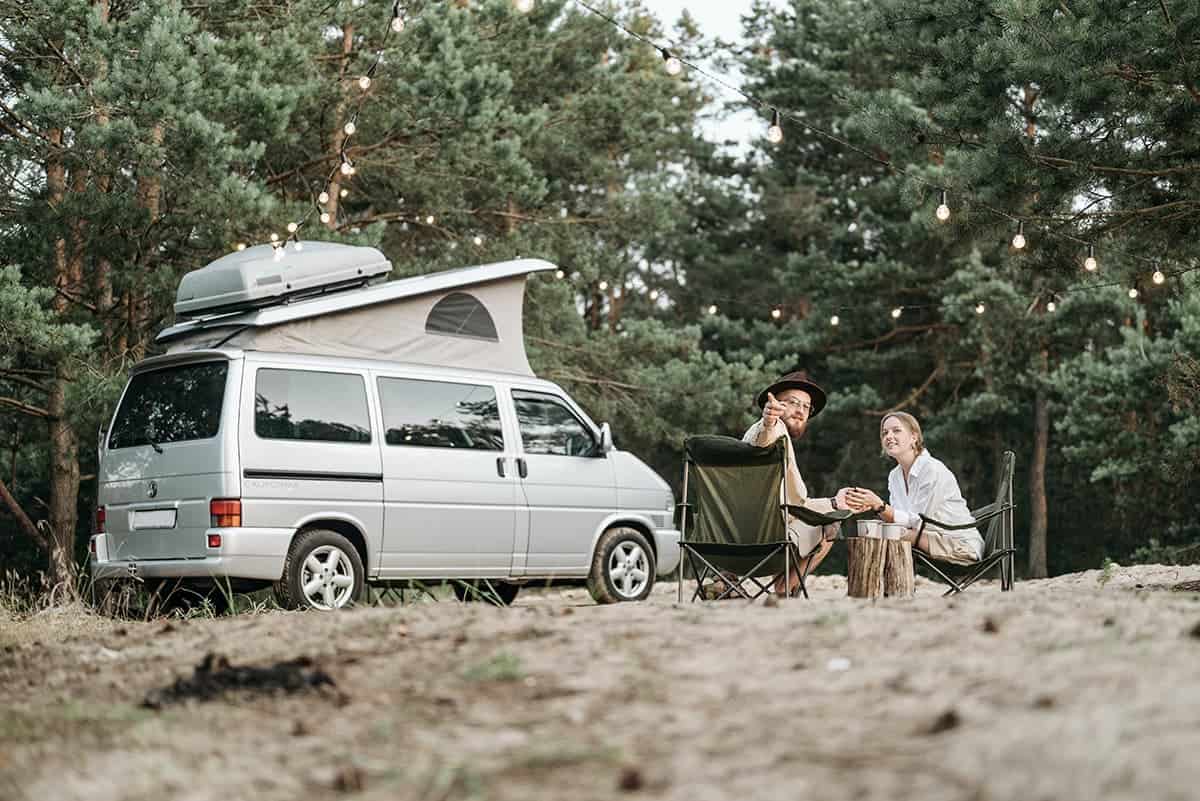
Waking up beside a lake with nobody else around is one of the great New Zealand experiences. It is also the subject of strict rules. Freedom camping (staying overnight on public land that isn't a campsite) is allowed in some places, for some vehicles, and banned in many others. Here is how it works, and where else to stay.
Quick facts
- Freedom camping rules are set by local councils and the Department of Conservation (DOC), so they differ from place to place.
- Most freedom camping spots only allow certified self-contained vehicles.
- A certified self-contained vehicle now needs the green warrant, which requires a fixed toilet. Portable toilets no longer qualify.
- Rental vehicles have needed the green warrant since 7 December 2024. The old blue warrants for private vehicles stopped counting in June 2026.
- Camping where it isn't allowed can mean an instant fine. Rental companies pass fines on to the hirer.
- Campsites, holiday parks and DOC campsites are not affected by these rules.
What "self-contained" means now
New Zealand changed its freedom camping law in 2023. To be certified self-contained, a vehicle must have a fixed toilet, fresh and waste water tanks, a sink and a rubbish bin with a lid, and it must carry a green self-containment warrant and sticker. If you are hiring a campervan to freedom camp, check it has the green warrant before you book. Vans without one can still stay at campsites and holiday parks.
The government's guide is at mbie.govt.nz/freedomcamping.
How to find a legal spot
- Apps: CamperMate and Rankers show campsites and freedom camping areas, with recent reviews.
- Council websites: each district lists where freedom camping is allowed, banned or limited (for example, one night only or a set number of spaces).
- Signs: a "No camping" sign means no camping, even for self-contained vehicles. Fines are issued on the spot, often early in the morning.
DOC campsites
The Department of Conservation runs campsites across the country, many in the most beautiful places: beside lakes, rivers and beaches, and inside national parks. They range from basic (a toilet and water from a stream) to serviced (hot showers and a kitchen). Many are cheap, a few are free, and popular ones need booking in summer. See doc.govt.nz.
Holiday parks
Holiday parks are found in almost every town and tourist spot. They offer powered sites for campervans, tent sites and cabins, with shared kitchens, showers and laundry. They are a good choice every few nights to recharge, wash and empty tanks. See also our page on where to stay.
Camping with a tent
The self-containment rules are about vehicles. Tents are welcome at campsites and holiday parks, and many DOC sites suit tents best. Some councils allow tent camping in certain freedom camping areas; others don't. Check before you pitch.
Leave no trace
- Use toilets and dump stations. Never empty waste water on the ground or into drains.
- Take all your rubbish with you.
- Don't light fires unless you are sure it's allowed: fire bans are common in summer.
- Keep the noise down: you are often near homes or other campers.
Frequently asked questions
Can I sleep in a normal car?
Only at campsites, holiday parks, or areas set aside for vehicles that are not self-contained. A car is not a certified self-contained vehicle.
Is freedom camping free?
Usually, yes, where it is allowed. Some councils charge a small fee or ask for a booking at busy spots.
When is it busiest?
December to February, especially around Christmas and New Year. Book campsites early for those weeks. See the best time to visit New Zealand.
Checked in October 2026. Councils change their rules, so check the local council or the CamperMate app before you stop for the night.